
Case studies
Architectural
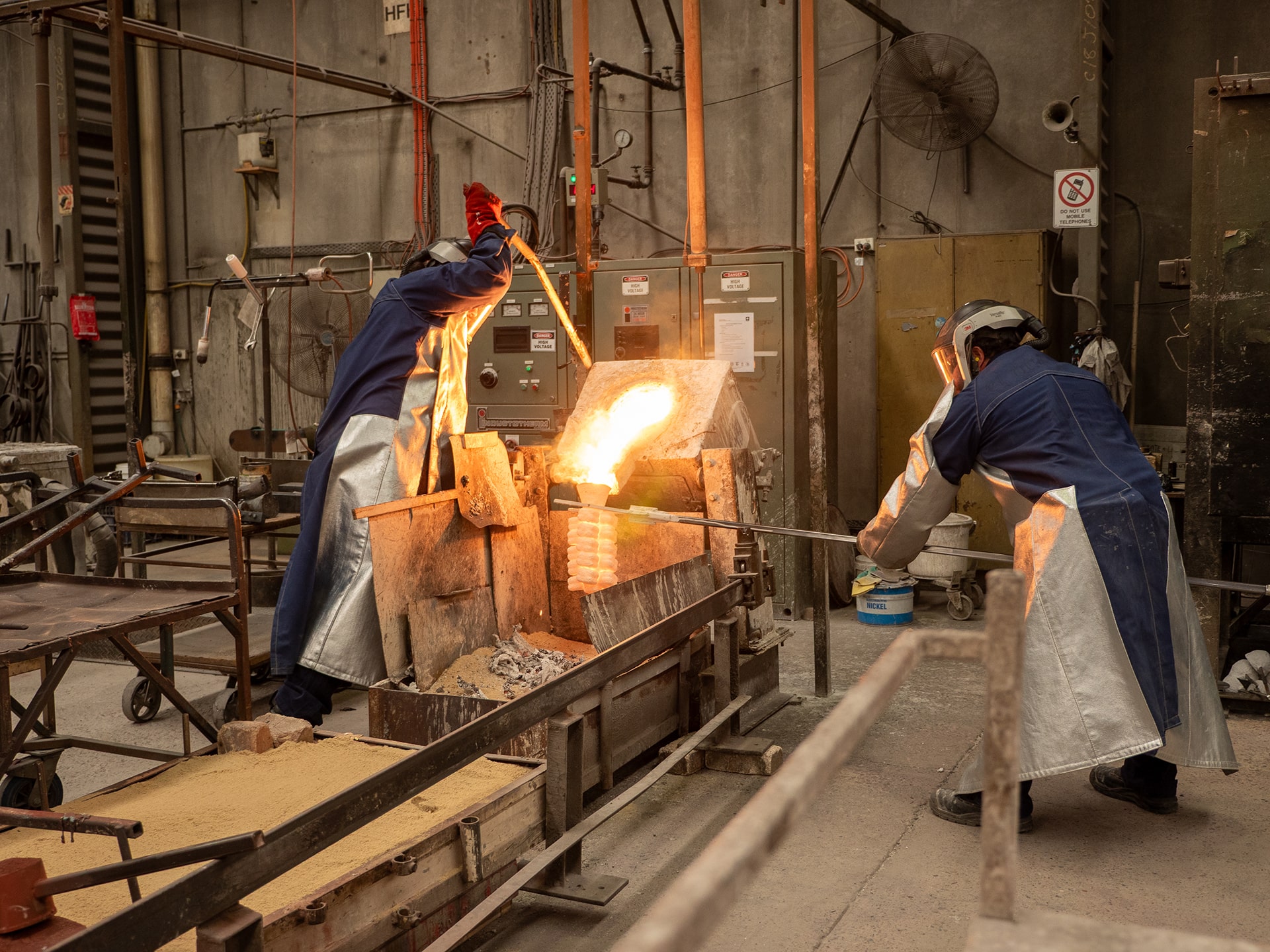


The Hycast Design
Process
3D Computer Modelling
The first step of the design process is to develop a 3D computer model of the proposed casting and its components. We consider parameters such as tool undercuts, gate location, part complexity and material properties.
Finite Element Analysis (FEA)
The linear static FEA of the casting demonstrates the maximum developed stress when design loads are applied.
Casting Simulation
Technology is used to simulate and visualise the entire casting process. This allows the team to establish the most effective and timely process, minimising defects, maximising throughput and achieving the desired quality, first time, every time.
Rapid Prototyping
Rapid Prototyping technology combines computer modelling with automated wax printing to produce a ‘near perfect’ single casting. This allows the client to confirm shape, form and finish prior to the commencement of tooling.
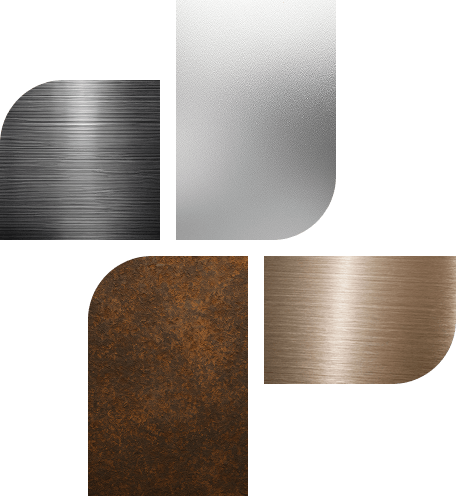
Expertise in a wide range of alloys, for a wide range of uses
As our solutions are used in various scenarios – for example in searing heat or even underwater – we cast in a wide range of alloys, including stainless steels, nickel, cobalt, bronze and aluminium.
We also develop and confidentially manage client-specific alloy chemistries, and this going the extra mile is why we have enjoyed such close relationships with our loyal customers – some going back over 30 years.